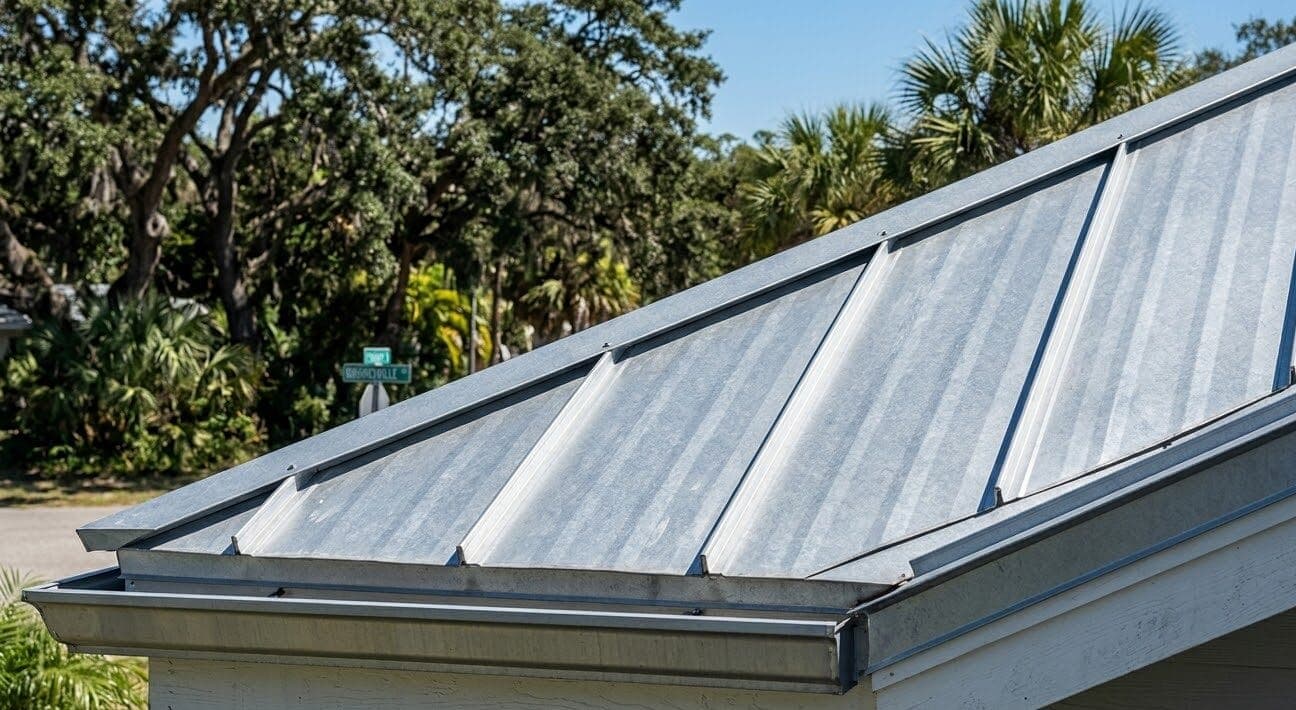
Hurricane season runs June 1 to November 30, and the roof above your Florida home is the single most exposed surface during a storm. This guide compares metal, stone-coated steel, tile, and architectural shingles by wind rating, hurricane category survivability, cost, and insurance savings, so you know exactly which roof to pick before the next one makes landfall. Call (352) 605-0696 for a free pre-season inspection.
Florida’s Wind Requirements: What Your Roof Must Survive
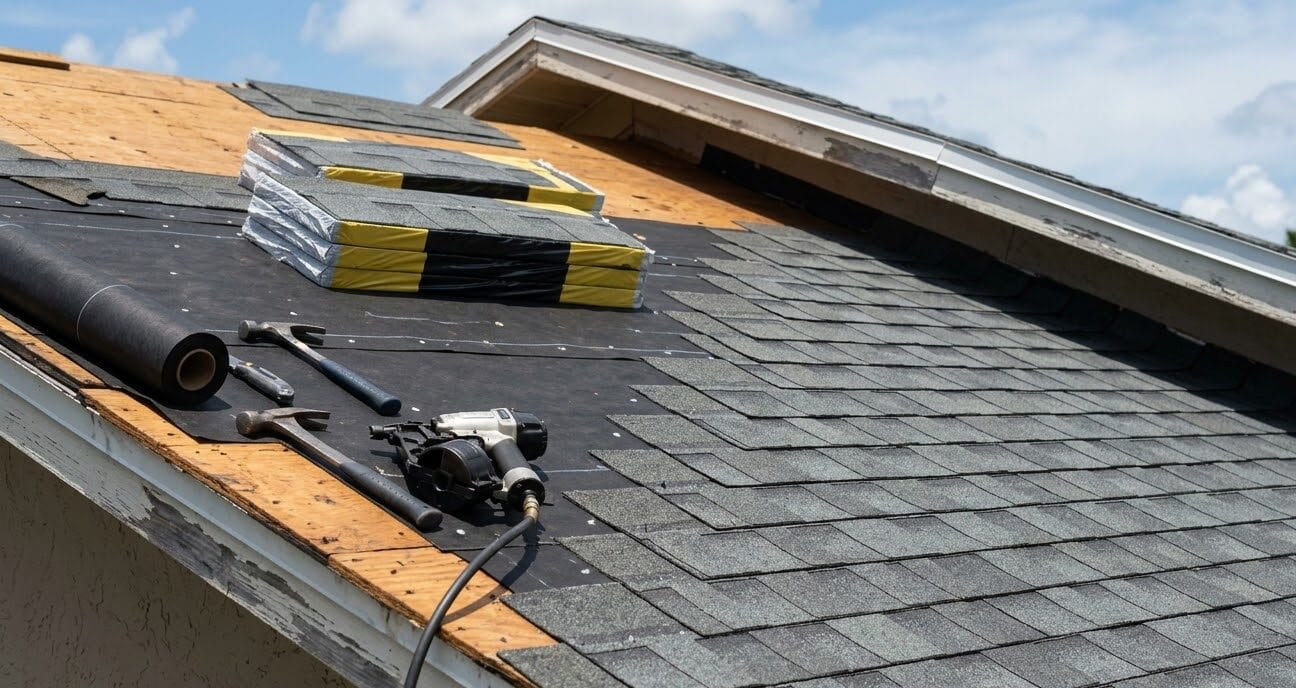
Florida Building Code divides the state into wind zones based on proximity to the coast and historical storm data. Hernando County sits in a 120 mph design wind speed zone. Every roof installed here must be engineered to resist sustained winds at that speed without losing its covering, flashing, or structural attachment.
That 120 mph rating is not the maximum gust your roof might face. It is the minimum design threshold. A strong Category 3 hurricane produces sustained winds of 111 to 129 mph with gusts exceeding 150 mph. Your roof’s ability to survive that event depends on three factors: the type of covering, the quality of attachment to the deck, and how well the deck is fastened to the trusses.
No roofing material is hurricane-proof. But some perform dramatically better than others under extreme wind loads. Here is how the three most common residential roofing materials in Central Florida compare when a hurricane makes landfall.

Hurricane Categories: What Each Storm Tier Means for Your Roof
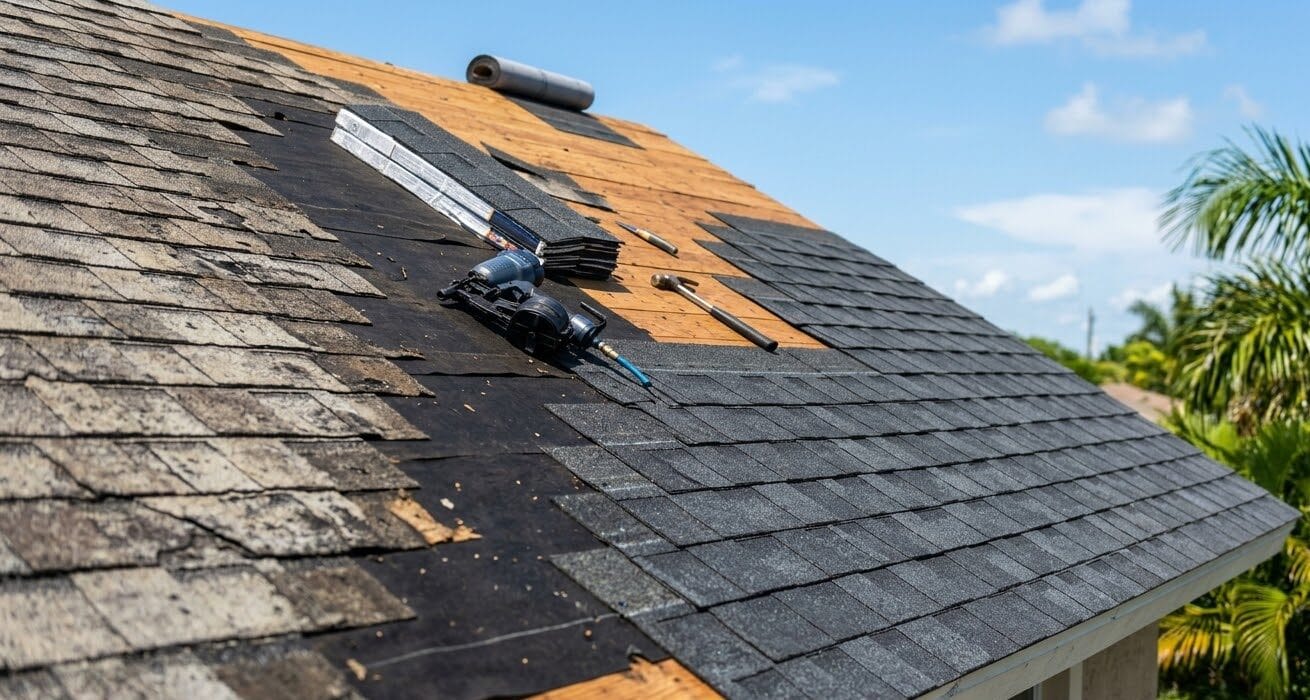
The Saffir-Simpson scale ranks hurricanes by sustained wind speed. Gusts often run 25 to 40 percent higher than the sustained number, and your roof has to survive both. Here is how each category translates to roof performance in Hernando, Pasco, Citrus, and Sumter counties.
| Category | Sustained Wind | What Survives |
|---|---|---|
| Tropical Storm | 39 to 73 mph | Any code-compliant roof. Loose shingles and old flashing fail first. |
| Category 1 | 74 to 95 mph | All quality materials survive when properly installed. Architectural shingles with 6-nail patterns hold. |
| Category 2 | 96 to 110 mph | 130 mph shingles, tile with clips, and metal all perform well. Older 110 mph shingles begin to lift. |
| Category 3 | 111 to 129 mph | Metal and tile hold. Shingle roofs show partial failure: ridge caps lift, leading-edge tabs tear. |
| Category 4 | 130 to 156 mph | Standing seam metal stays sealed. Tile resists uplift but individual tiles crack from debris. Shingle roofs fail in sections. |
| Category 5 | 157+ mph | Standing seam metal performs best. Tile rooftops lose individual tiles. Shingle roofs commonly suffer total covering loss; deck attachment becomes the survival factor. |
Hernando County has not taken a direct major-hurricane landfall in modern records, but Hurricane Idalia (Category 3 at landfall, 2023) and Hurricane Helene (Category 4, 2024) both brought tropical-storm-to-Category-1 conditions inland to Brooksville and Spring Hill. A roof built for the minimum 120 mph code threshold is the baseline. A roof built for 140 mph or higher is what gets you through the bad season without an insurance claim.
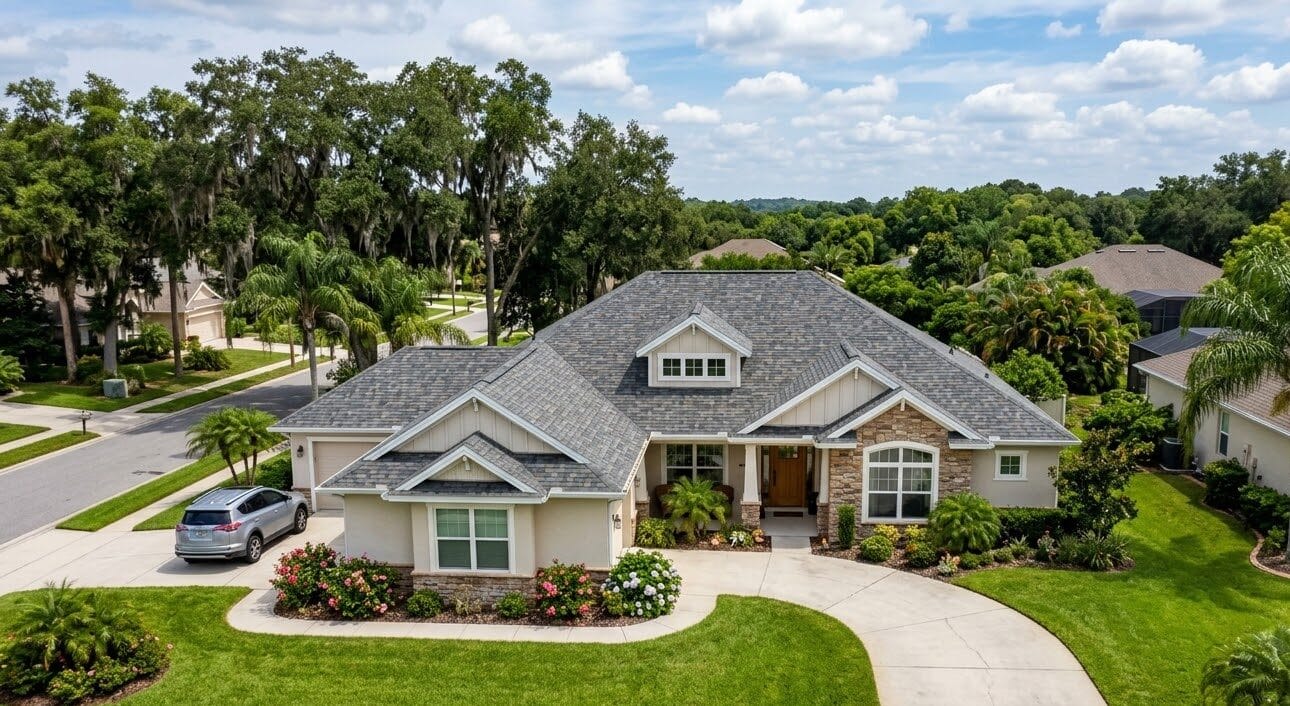
Which Roof Should You Choose for Your Florida Home?

The right choice depends on your budget, your home’s structural capacity, and how long you plan to own the property.
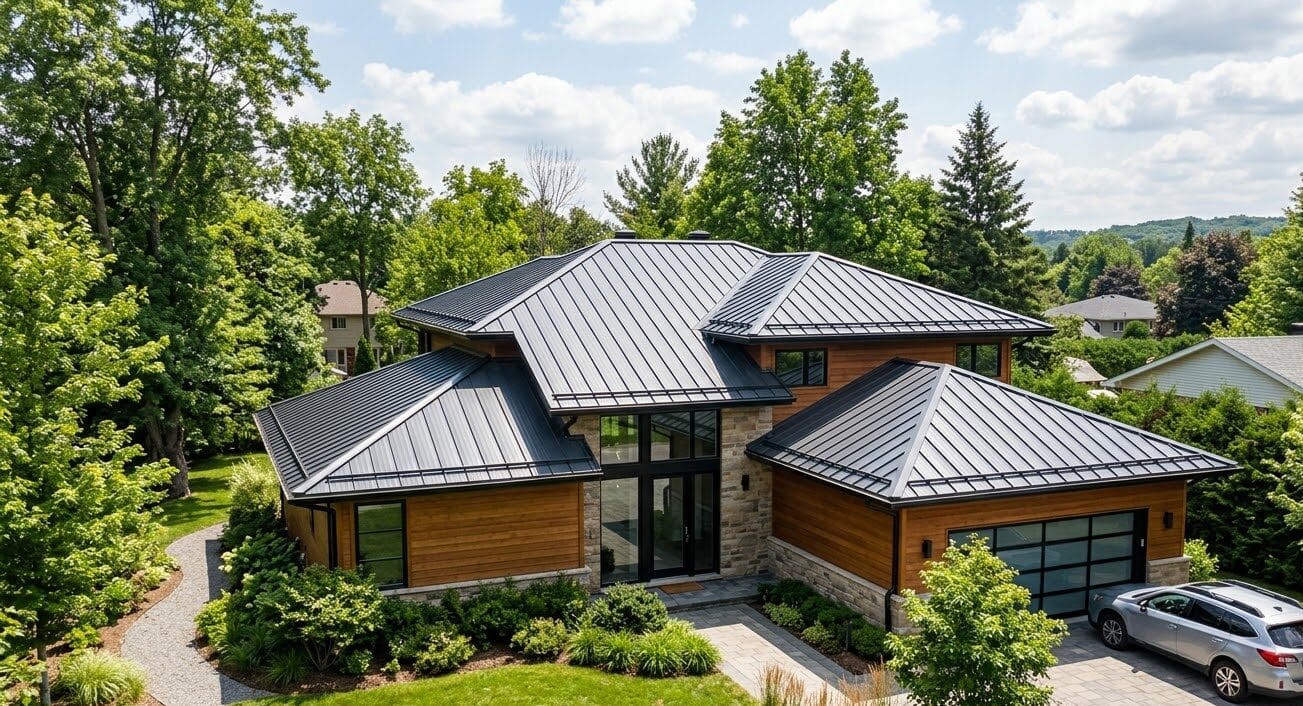
Choose metal if you want the strongest hurricane protection available, plan to stay in your home long-term, and can invest in the higher upfront cost. The combination of wind resistance, longevity, and insurance savings makes metal the best long-term value for most Florida homeowners.
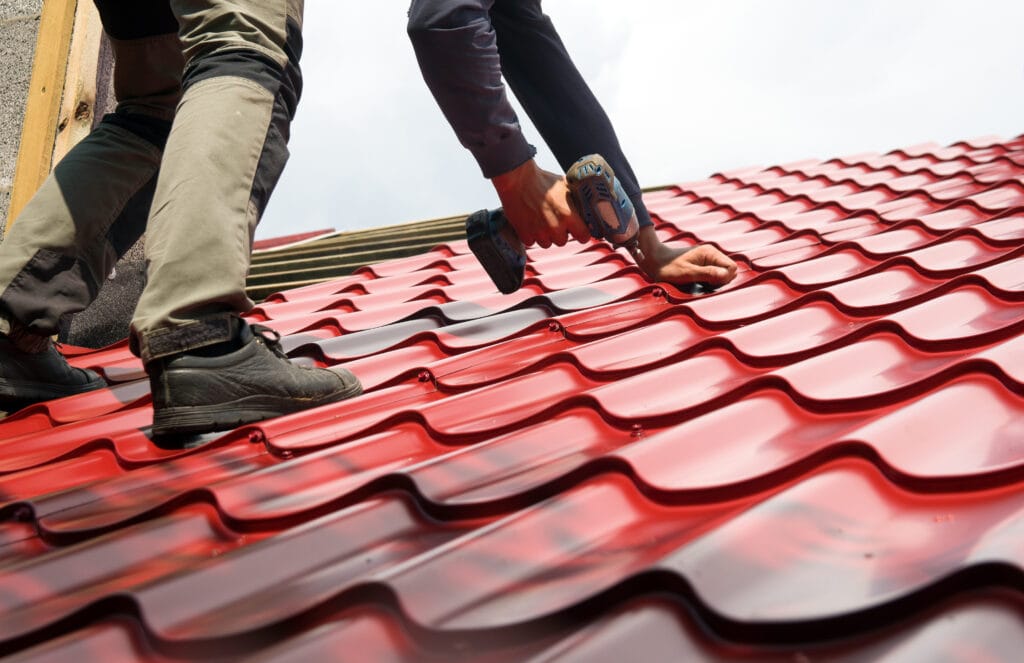
Choose tile if you want the classic Florida aesthetic, your home’s structure can support the weight, and you understand that underlayment replacement will be needed at the 15 to 20 year mark. Tile delivers excellent wind protection with visual appeal that metal cannot match.
Choose architectural shingles if budget is the primary factor and you accept the shorter lifespan and higher hurricane vulnerability. Modern 130 mph rated shingles with proper installation provide adequate protection for most storms, and the lower cost allows for earlier replacement when the roof reaches end of life.
Regardless of material, the quality of installation matters as much as the product itself. Correct nailing patterns, proper underlayment, sealed deck attachment, and code-compliant flashing are what actually keep your roof attached during a hurricane. Protech Roofing is GAF-certified and licensed across Hernando, Pasco, Citrus, Sumter, and Polk counties. Call (352) 605-0696 for a free estimate and storm readiness assessment.
In communities like The Villages, ARC committees often dictate which materials qualify for approval. Metal upgrades from shingle typically need committee review even when the underlying performance case is straightforward.
FAQ
Frequently Asked Questions
What type of roof is best for hurricanes in Florida?
+
What roof can withstand a Category 5 hurricane?
+
Can shingle roofs survive a hurricane?
+
Is stone-coated steel good for Florida hurricanes?
+
How much does a hurricane-rated roof cost in Florida?
+
How much does the My Safe Florida Home grant cover?
+
Does a metal roof lower my insurance in Florida?
+
Is tile or metal better for Florida hurricanes?
+
What wind speed must my roof handle in Hernando County?
+
When should I replace my roof before hurricane season?
+
Related Articles
More guides for Florida homeowners

Best Roof Color for Florida Heat: Cool Roofs Explained
Florida test homes show a white shingle saves only 3 to 5 percent on cooling while reflective white metal or tile saves 18 to 26 percent. Here is how to choose a roof color that actually keeps your attic cooler.
Read Article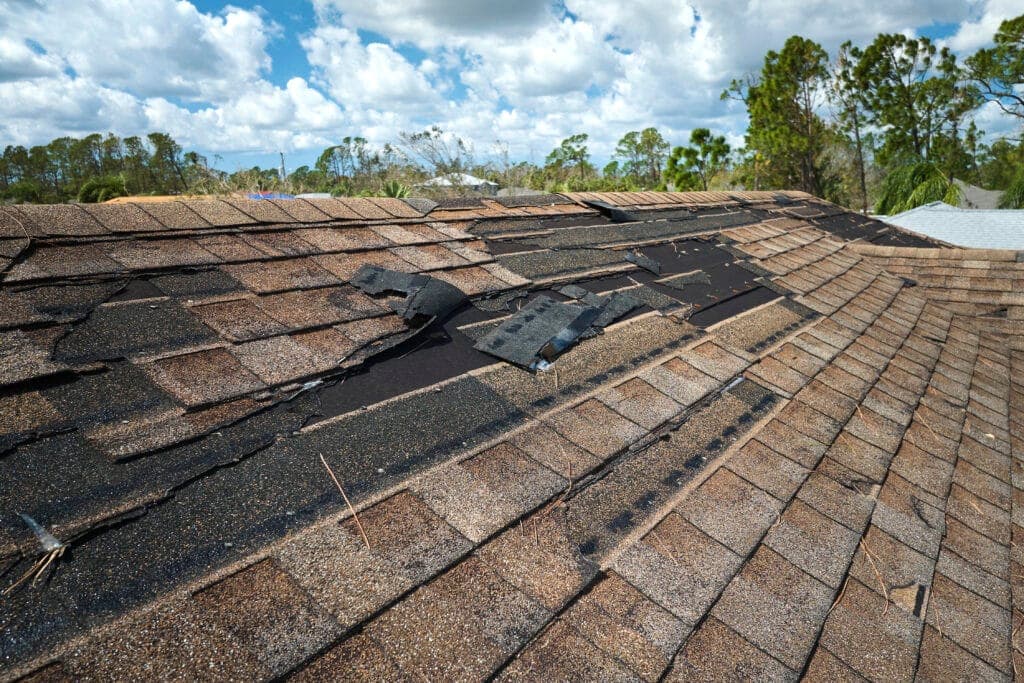
Roof Underlayment in Florida: The Hidden Layer Explained
Underlayment is the layer that decides what happens to your house when wind strips the shingles. Here is how felt, synthetic and peel-and-stick compare, what Florida code requires on a re-roof, and what each option costs in 2026.
Read Article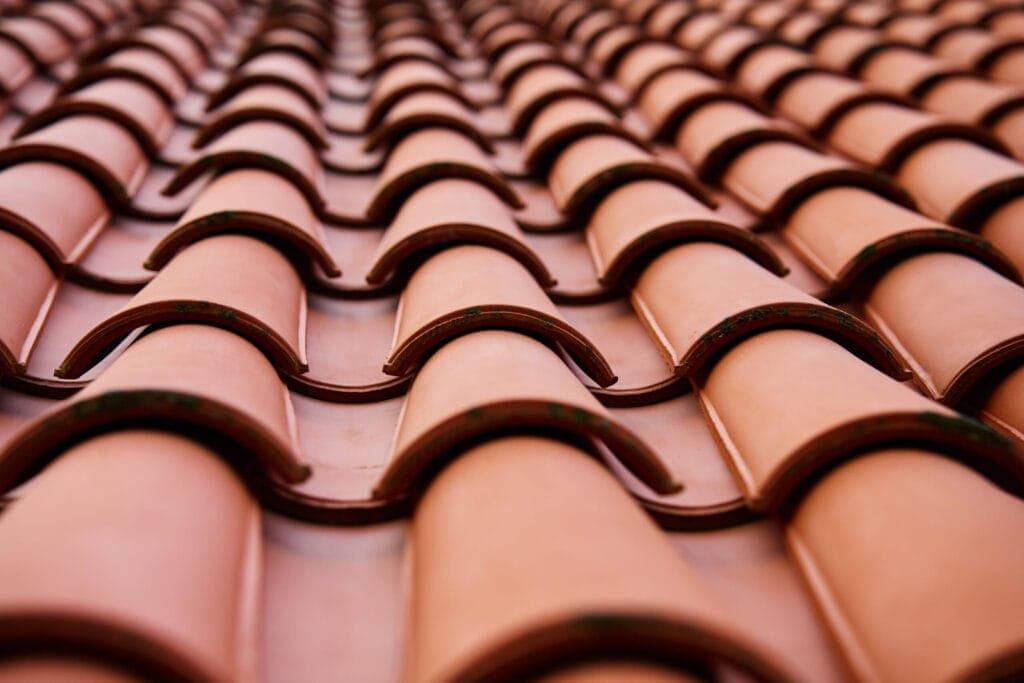
Florida Tile Roof Problems: Repair vs Re-Roof (2026)
Tile lasts for decades, the underlayment under it does not. Here are the tile roof problems Florida homeowners see most, what each repair costs in 2026, and how to tell when a repair is enough and when it is time to re-roof.
Read ArticleReady When You Are
Get your free roof inspection today.
No-pressure, written estimate. Same-week scheduling across Hernando County. Call us now or request a visit online.