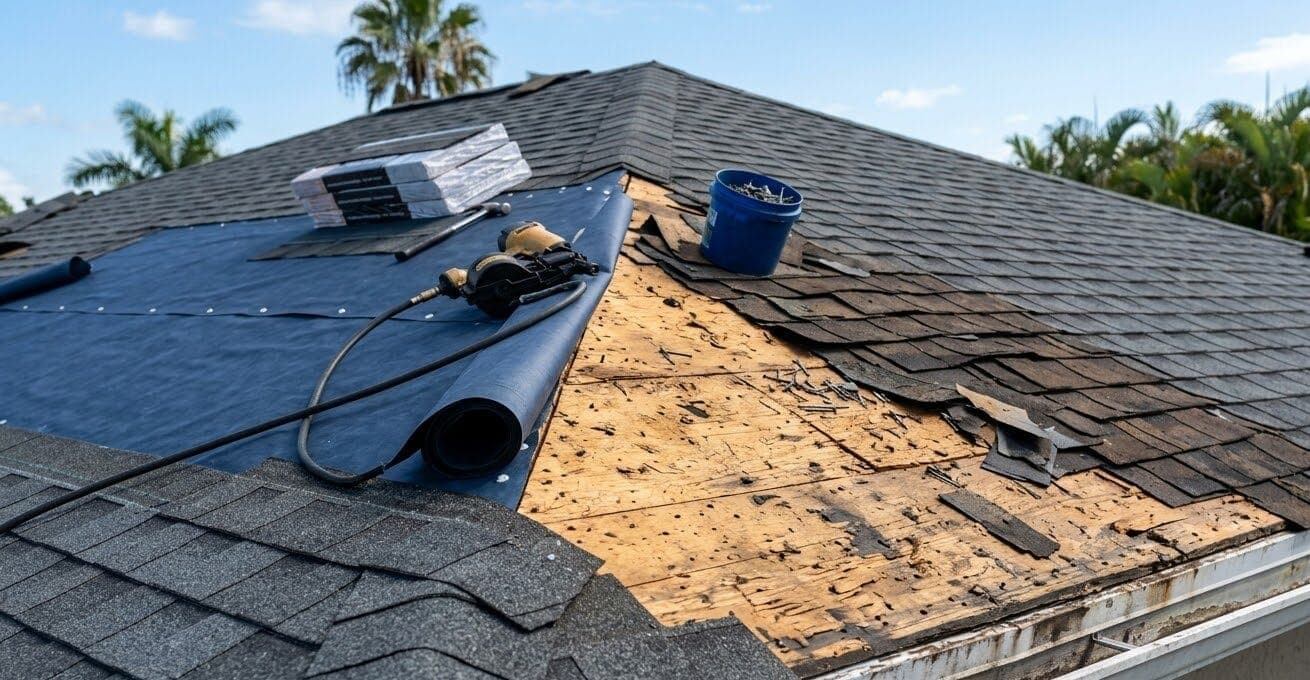
When a storm tears through Central Florida, the damage it leaves behind is only the beginning of what homeowners have to deal with. Filing an insurance claim for roof damage can feel overwhelming, especially when you are already stressed about leaks, structural concerns, and protecting your family. Protech Roofing Services has spent years helping homeowners across the Spring Hill area navigate every stage of the roof insurance claim process, from the initial damage assessment through final repairs. We understand the paperwork, the deadlines, and the tactics insurance companies use to minimize payouts. Our goal is simple: make sure you receive the full compensation your policy entitles you to so your roof gets repaired the right way.
Roofing insurance claims in Florida are not like claims in other states. Florida’s unique weather patterns, building codes, and insurance regulations create a process that requires specialized knowledge. Between hurricane season running from June through November, sudden summer thunderstorms that can drop baseball-sized hail, and tornado activity that spikes in spring, Central Florida homeowners face roof damage risks that most of the country never deals with. Protech’s team has worked with every major insurance carrier operating in Florida, and we know how each one handles claims, what documentation they require, and where disputes typically arise. That experience makes a real difference in the outcome of your claim.
We proudly serve homeowners throughout Hernando, Citrus, Pasco, Sumter, Polk, Hillsborough, and Pinellas counties. Whether you live in a waterfront home in Crystal River, a subdivision in Wesley Chapel, or a rural property outside Bushnell, Protech brings the same level of expertise and attention to your insurance claim. Every roof we inspect gets a thorough, documented assessment that meets the standards insurance adjusters expect to see. We do not cut corners on documentation because we have seen firsthand how missing photos or vague damage descriptions lead to denied or underpaid claims.
How the Roof Insurance Claim Process Works in Florida
The insurance claim process for roof damage in Florida follows a general sequence, but each step has details that can trip up homeowners who have never filed a claim before. Understanding what happens at each stage puts you in a stronger position to get a fair result.
Contact your insurance company promptly. Florida law requires that you report property damage to your insurer within a reasonable timeframe. Under current statutes, you generally have two years from the date of loss to file a claim, but waiting even a few weeks can complicate things. Insurance companies may argue that secondary damage, like mold growth from a leak, happened because you delayed reporting. Call your insurer as soon as you notice damage or suspect damage occurred during a storm. Write down the claim number, the name of the representative you speak with, and the date and time of the call.
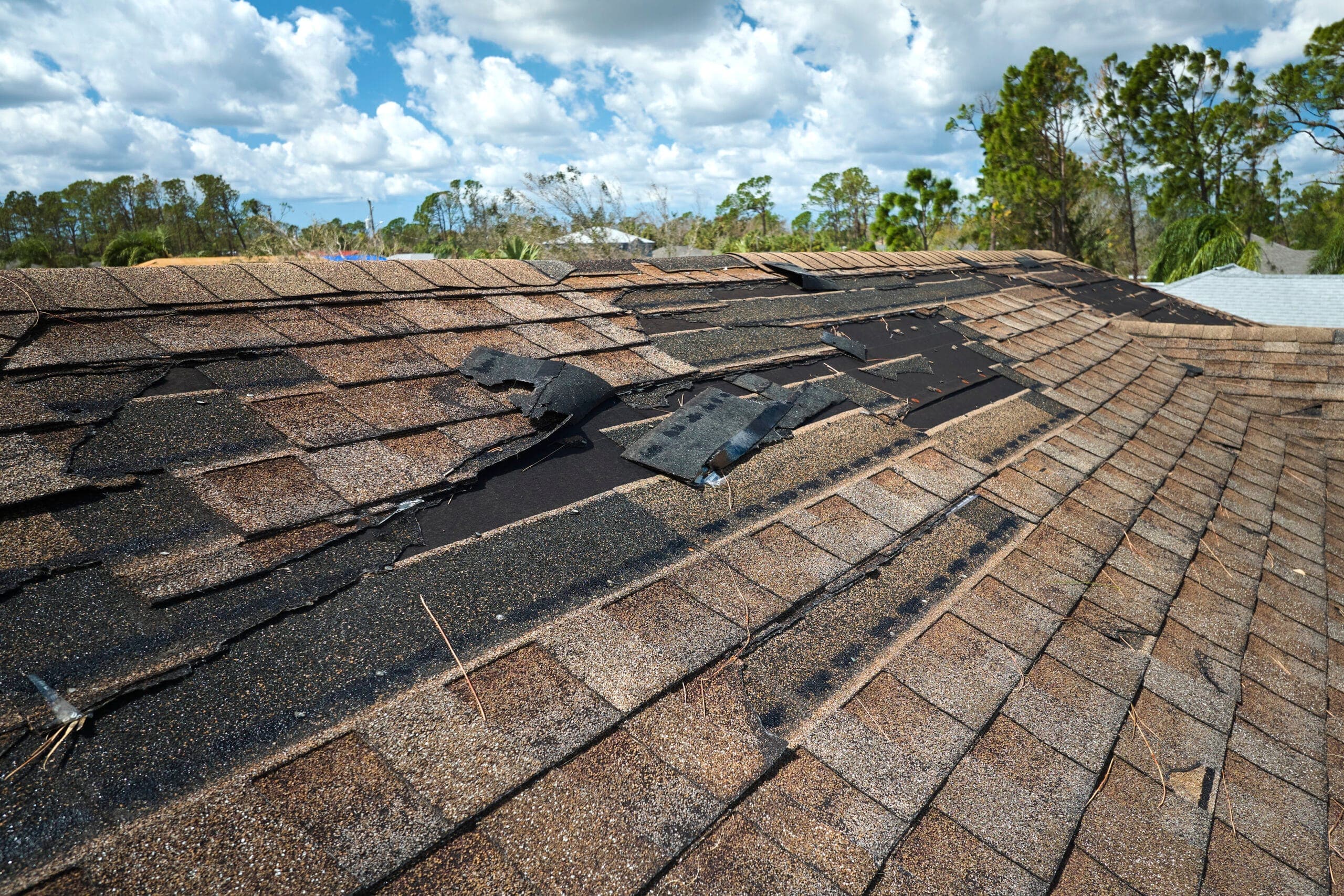
Document the damage thoroughly. Before anything gets moved, cleaned up, or temporarily repaired, take photos and video of every area of visible damage. Shoot from multiple angles. Capture wide shots of the full roof line and close-ups of missing shingles, dented flashing, cracked tiles, or torn underlayment. If water has entered the home, photograph the interior damage too, including stained ceilings, wet insulation, and warped drywall. Keep damaged materials if you can. A piece of broken tile or a section of torn shingle is physical evidence that supports your claim.
Schedule a professional roof inspection. This is where many homeowners make their first mistake. They wait for the insurance adjuster to come out and accept whatever that person says. Instead, have a licensed roofing contractor inspect your roof before the adjuster arrives. A professional roofer can identify damage that is not visible from the ground, including bruised shingles that have lost granule adhesion, cracked decking beneath the surface, or compromised drip edges. At Protech, we provide this inspection at no charge for storm damage assessments because we know how important it is to have an accurate picture of the damage from day one.
Meet the insurance adjuster on site. When your insurance company sends an adjuster, you have every right to be present during the inspection, and so does your roofing contractor. Having your roofer there to walk the roof with the adjuster is one of the most effective things you can do to protect your claim. Adjusters are often handling dozens of claims after a major storm. They may spend 20 minutes on your roof and miss damage that a thorough inspection would catch. When Protech meets the adjuster at your property, we point out every area of concern documented in our inspection report, ensuring nothing gets overlooked.
Review the estimate and settlement offer. After the adjuster completes their inspection, the insurance company will send you an estimate and a settlement offer. Read it carefully. Compare the line items against the damage documented in your contractor’s report. Insurance estimates are typically generated using Xactimate software, the same platform professional roofing contractors use. If the insurance company’s estimate is significantly lower than what your roofer documented, you have grounds to dispute it.
File a supplement if the claim is underpaid. It is common for the initial insurance estimate to undervalue roof damage. This does not necessarily mean the insurer is acting in bad faith. Adjusters can miss things, especially after a major storm when they are rushing through inspections. A supplemental claim provides additional documentation, including detailed photos, measurements, and an itemized Xactimate estimate from your contractor, to demonstrate that the repair costs are higher than the insurer initially assessed. Protech prepares and submits supplemental claims on behalf of our customers regularly. In many cases, the supplemental process results in a significantly higher payout.
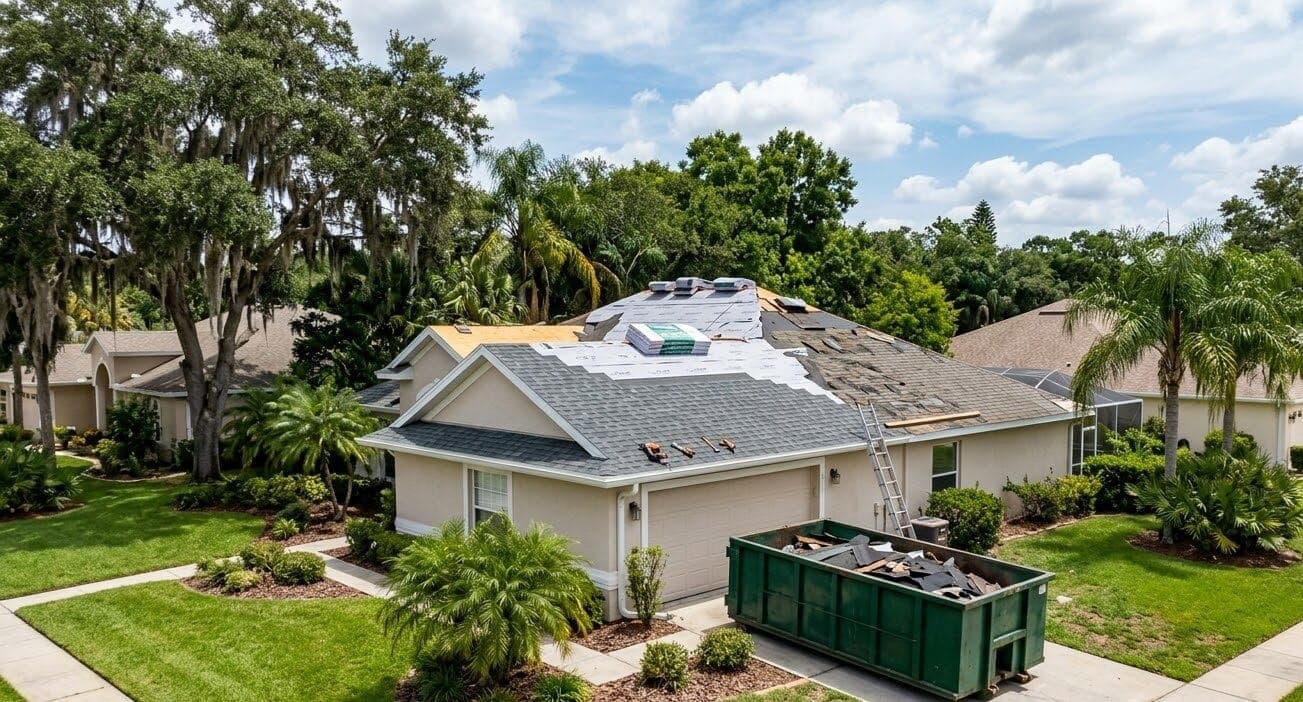
Complete the repairs. Once the claim is approved and funded, repairs can begin. Florida Building Code requires that all roof repairs and replacements meet current code standards, which in hurricane-prone regions means compliance with the High Velocity Hurricane Zone (HVHZ) specifications or the Florida Building Code Wind standards depending on your county. Permits are required for most roof work, and inspections by the local building department ensure the work meets code. Protech handles all permitting through the relevant county offices, whether that is Hernando County Building Division in Brooksville, Pasco County Building Services in Dade City and New Port Richey, or any of the other jurisdictions in our service area.