Call (352) 605-0696

Spring Hill, FL

Roof Inspection Spring Hill FL

Roof inspection in Spring Hill, FL. Insurance, wind mitigation, and maintenance inspections. Call (352) 605-0696.

Call (352) 605-0696

With more than 120,000 residents spread across sprawling subdivisions east of the Gulf Coast, Spring Hill has one of the highest concentrations of single-family rooftops in Hernando County. Homes tucked inside Seven Hills, along the corridors near Mariner Boulevard, and throughout the gated sections of Timber Pines all face the same salt-air corrosion and storm debris that wears roofing down over time. Protech Roofing performs thorough roof inspection services in Spring Hill, giving each homeowner a clear picture of their roof’s current condition and expected remaining life.

You Are Viewing

Roof Inspection for homeowners and businesses in Spring Hill, part of Hernando County, FL, Florida.

Why Spring Hill Roofs Need Regular Professional Inspections

A roof inspection in Spring Hill, FL is one of the smartest investments a homeowner can make in this part of Hernando County. Spring Hill’s 120,000+ residents live in a community where Gulf Coast weather, flat terrain, and aging housing stock combine to create conditions that wear roofs out faster than most homeowners expect.

The homes along Mariner Boulevard and Spring Hill Drive built in the 1980s and 1990s are on their second or third roofs now. Properties in Timber Pines and Heritage Pines deal with constant tree debris that clogs gutters and holds moisture against the roof surface. Newer builds in Seven Hills and Wellington at Seven Hills have modern shingles, but even those aren’t immune to the hail, wind, and UV exposure that define Central Florida weather.

Most roof problems start small and grow quietly. A cracked pipe boot lets in a trickle of water that stains the attic decking for months before it shows on your ceiling. Wind lifts a shingle edge and breaks the adhesive seal, but the shingle stays in place until the next big storm rips it away. These issues are invisible from the ground but obvious to a trained inspector on the roof.

Protech Roofing provides thorough roof inspections across Spring Hill. We physically walk your roof, check every component, inspect the attic, and give you a detailed report with photos. No guessing, no surprises.

What We Check During a Spring Hill Roof Inspection

A Protech Roofing inspection covers every part of your roofing system, not just the shingles you can see from the street.

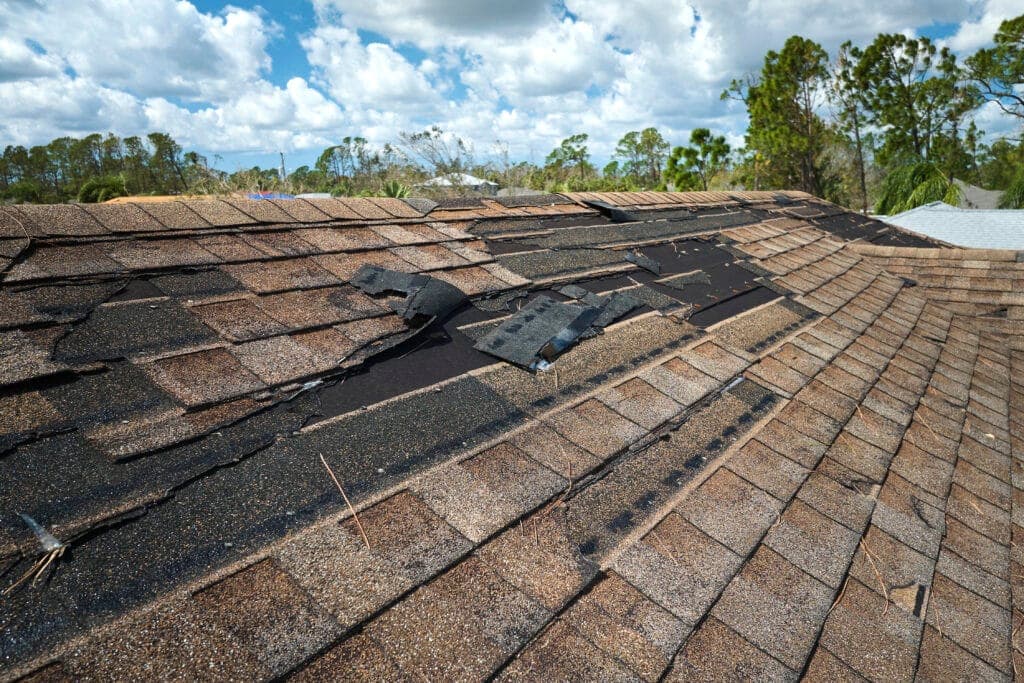
On the roof surface, we check for missing, cracked, or curling shingles. We look at granule coverage across all slopes because uneven granule loss tells us which sections are taking the most UV and weather abuse. We check every ridge cap, every hip cap, and the starter strip along the eaves. These edge components fail first in wind events and are the most common source of emergency calls after storms.

Flashing and penetrations get careful attention. Every pipe boot, every vent, every wall-to-roof transition, and every valley. In Spring Hill’s heat, rubber pipe boots crack within 8 to 12 years. Metal flashing sealant dries out and separates from expansion and contraction cycles. Valley flashing handles concentrated water flow, so any gap becomes a major leak source during heavy rain.

We inspect gutters, downspouts, and drip edge condition. Spring Hill homes near mature trees, especially in Timber Pines and the neighborhoods off Landover Boulevard, accumulate debris quickly. Clogged gutters cause water to back up under the drip edge and rot the fascia. We check for these problems during every inspection.

The attic inspection is where we often find the real story. Water stains on the underside of decking, daylight showing through nail penetrations, compressed or wet insulation, mold growth, and soft spots in the sheathing. These signs of ongoing moisture intrusion frequently exist without any visible evidence on the ceiling below. Catching them during an inspection prevents the kind of hidden damage that turns expensive.

A standard inspection takes 1 to 2 hours. You get a written report with annotated photos of every issue found, plus recommendations and estimated costs for any needed repairs.

4-Point Inspections for Spring Hill Insurance Requirements

Florida insurance carriers require 4-point inspections for older homes, and Spring Hill has a lot of homes that hit the threshold. Some carriers require them for homes over 15 years old. Others set the bar at 20 or 25. Either way, if your Spring Hill home was built before 2010, you’ll likely need one for your policy renewal.

The 4-point inspection covers roofing, electrical, plumbing, and HVAC. For the roofing portion, the inspector evaluates the type of covering, estimated age, current condition, and remaining useful life. This last metric is what matters most. If the inspector estimates your roof has less than 3 to 5 years of remaining life, your carrier may decline to renew your policy until you replace it.

We’ve seen this play out across Spring Hill. Homeowners in the communities off Spring Hill Drive with roofs from the early 2000s get flagged during 4-point inspections because the granule loss is extensive enough to reduce the estimated remaining life below the carrier’s comfort level. The roof isn’t leaking yet, but the insurance company sees the trajectory and won’t take the risk.

Getting a roof inspection before your scheduled 4-point is smart. If our inspection finds issues that would flag on the insurance inspection, you can address them first. Replacing pipe boots, resealing flashing, or fixing small damage areas is much cheaper than being forced into a full replacement on the insurance company’s timeline.

4-point inspections in Spring Hill typically cost $95 to $150. A bundle with wind mitigation runs $150 to $200. The savings on your premium make this a strong return on investment.

Wind Mitigation Inspections and Premium Savings in Spring Hill

If you own a home in Spring Hill and you don’t have a current wind mitigation inspection, you’re probably paying more for insurance than you need to. This inspection is separate from the 4-point and focuses entirely on how your home resists wind damage.

The inspector evaluates seven specific features: year built, roof covering type, roof deck attachment method, roof-to-wall connections, roof geometry (hip roofs score better than gable), secondary water resistance, and opening protections like shutters or impact windows. Each feature has scoring tiers that translate directly to insurance premium credits.

Spring Hill homes built after 2002 generally score well because the updated Florida Building Code required hurricane straps, enhanced nailing schedules, and better materials. But even older homes can benefit. If your home has had a re-roof with modern materials, or if hurricane straps were added during renovations, your scores may be better than you think.

The premium impact is real. Wind mitigation credits in Florida can reduce the wind portion of your insurance premium by 15 to 45 percent. On a typical Spring Hill premium of $3,000 to $3,500, that’s $450 to $1,575 saved per year. The inspection costs $95 to $125 and is valid for 5 years. You recoup the inspection cost in the first month of savings.

After any roof work we complete, Protech Roofing coordinates the wind mitigation reinspection. New roofing materials, upgraded deck attachment, or added secondary water resistance can all improve your scores and increase your discount.

Reading Algae Streak Patterns to Estimate Spring Hill Roof Age

Gloeocapsa magma, the dark-streak algae on asphalt shingles, grows more aggressively in Spring Hill than in drier inland communities because the combination of oak canopy shade, afternoon humidity, and Gulf-influenced moisture creates close to ideal growth conditions across most roofs in the CDP. Readable streak patterns give an inspector a surprising amount of information about a roof's history, especially on older Deltona-era homes where the original permit records are missing or the current owner is unsure when the last re-roof happened.

Streak intensity correlates roughly with years since installation. Minimal streaking, visible only on close approach, usually means less than 5 years on the covering. Moderate streaking that runs downhill from the ridge in faint vertical bands indicates 5 to 12 years. Heavy streaking with dark bands wider than the shingle exposure, often paired with lichen spots at the butt edges, puts the roof at 12 years or more. When streaks are heavily concentrated on one slope and absent on another, the shaded slope points to the dominant tree-canopy direction and the sun-exposed slope tells us where UV damage is advancing fastest. Both pieces of information shape the remaining-life estimate on the report.

Streak reading is one of three cross-checks an inspector uses to estimate age when official records are missing. The other two are granule loss measurement at the gutter outflow and a direct thickness measurement on a spare shingle. Together the three data points triangulate actual age within about 18 months. On Spring Hill homes in Seven Hills, Wellington, and older Deltona-era neighborhoods where original owners have passed away and ownership changed hands without clear re-roof history, this is the fastest way to give a buyer an honest remaining-life number before closing.

Attic Inspection Findings That Shape Spring Hill Recommendations

A thorough roof inspection in Spring Hill does not stop at the roof deck. We inspect the attic from inside, and on 1970s-era Deltona-built homes we find a consistent set of issues that shape the repair versus replace recommendation. These findings are not cosmetic and they are rarely visible from ground level.

Original fiberglass batt insulation, typically R-19 in the attic ceiling, was standard in 1970s Spring Hill construction. After 50 years of settling and occasional minor leaks, that original batt has compressed, matted in spots, and shows water staining from past events that may have been self-repaired as the leaks stopped. Staining location is diagnostic. Stains directly below an old pipe boot indicate that penetration needs replacement. Stains along the eave line point to drip edge failure or pooling during heavy rain events. Stains in the center of a slope with no obvious source usually indicate a shingle-level leak that sealed itself after the event but compromised the felt paper underneath.

Bathroom exhaust vents and dryer vents in many Deltona-era homes were terminated inside the attic rather than routed through the roof. Every shower adds warm humid air to that attic space, and over 50 years of compounding moisture has saturated surrounding insulation and in some cases decomposed the wood decking directly above. We document these terminations on every report and flag the fix as part of any future roofing work.

Original galvanized metal components, including turbine vents, ridge vent screens, and step flashing at any brick chimneys, show consistent rust-through by the 50-year mark on Spring Hill homes. We rate their remaining life on the report and recommend stainless or heavier-gauge galvanized replacement at the next roofing event. Attic findings are what turn a quick visual inspection into a full picture of what the homeowner is actually working with.

Storm Season Inspections for Spring Hill Properties

Spring Hill takes the brunt of Gulf storms before they move inland toward Brooksville. Hurricane Idalia in August 2023 reminded everyone that Hernando County is in the direct path. But you don’t need a named hurricane to sustain roof damage. The summer thunderstorms that roll through Spring Hill from June through September produce wind gusts that regularly exceed 60 mph, and microbursts can hit 80+ mph in localized areas.

After any significant storm event, a professional roof inspection documents damage that may not be visible from the ground. Wind can break the adhesive seal on shingles without fully removing them. Hail can crack granules without displacing the shingle. Debris impacts can dent flashing or crack pipe boots in ways that aren’t obvious until the next rain reveals a new leak.

Post-storm inspections serve two purposes. First, they catch damage before it causes secondary problems like mold, rotted decking, or interior water damage. Second, they provide documentation for insurance claims. Florida law requires prompt notification of storm damage, and a professional inspection report with photos and measurements strengthens your claim significantly.

Insurance adjusters often assess damage from the ground or from a limited number of roof locations. A full inspection by a licensed roofer catches damage they might miss. We’ve worked with dozens of Spring Hill homeowners after Idalia and after severe thunderstorm events, providing the documentation that led to fair settlements.

If you’re unsure whether a storm damaged your roof, the inspection cost is a fraction of what undiscovered damage costs when it goes unrepaired for months.

Pre-Sale and Pre-Purchase Roof Inspections in Spring Hill

Spring Hill’s real estate market moves fast, and roof condition is one of the first things buyers and their agents look at. If you’re selling, a pre-sale roof inspection gives you control of the narrative. You know the condition before the buyer’s inspector does, and you can address issues on your terms rather than negotiating under pressure during the contract period.

If you’re buying in Spring Hill, a dedicated roof inspection by a licensed roofer goes deeper than the general home inspection. We estimate remaining useful life, identify specific deficiencies with repair costs, and flag any issues that would affect insurance eligibility. In Spring Hill’s market, many homes have roofs that are 15 to 20 years old, right at the age where insurance carriers start asking questions.

We regularly inspect homes in Sterling Hill, East Linden Estates, Pristine Place, and the neighborhoods along County Line Road for buyers and sellers. The report includes clear language about the roof’s current condition and what to expect going forward, which real estate agents and lenders can use for transaction decisions.

A pre-purchase inspection costs $200 to $350 and can save you from inheriting a $15,000 problem you didn’t know about.

Inspection Schedules for Different Roof Types in Spring Hill

How often you need an inspection depends on your roof type and age. Here’s what we recommend for Spring Hill homes.

Asphalt shingle roofs under 10 years old: every 2 to 3 years, plus after any major storm. At this age, problems are rare but catching them early prevents escalation.

Asphalt shingle roofs 10 to 20 years old: annually. This is the age range where pipe boots start failing, flashing sealant dries out, and granule loss accelerates. Annual inspections catch these issues while they’re still inexpensive to fix.

Asphalt shingle roofs over 20 years: twice per year, once in May before hurricane season and once in November after. At this age, the roof is approaching the end of its rated life, and monitoring is essential for planning replacement timing and maintaining insurance eligibility.

Metal roofs: every 3 to 5 years. Metal has fewer components that fail independently, but fastener condition (on exposed fastener systems), sealant integrity, and panel alignment still need periodic verification.

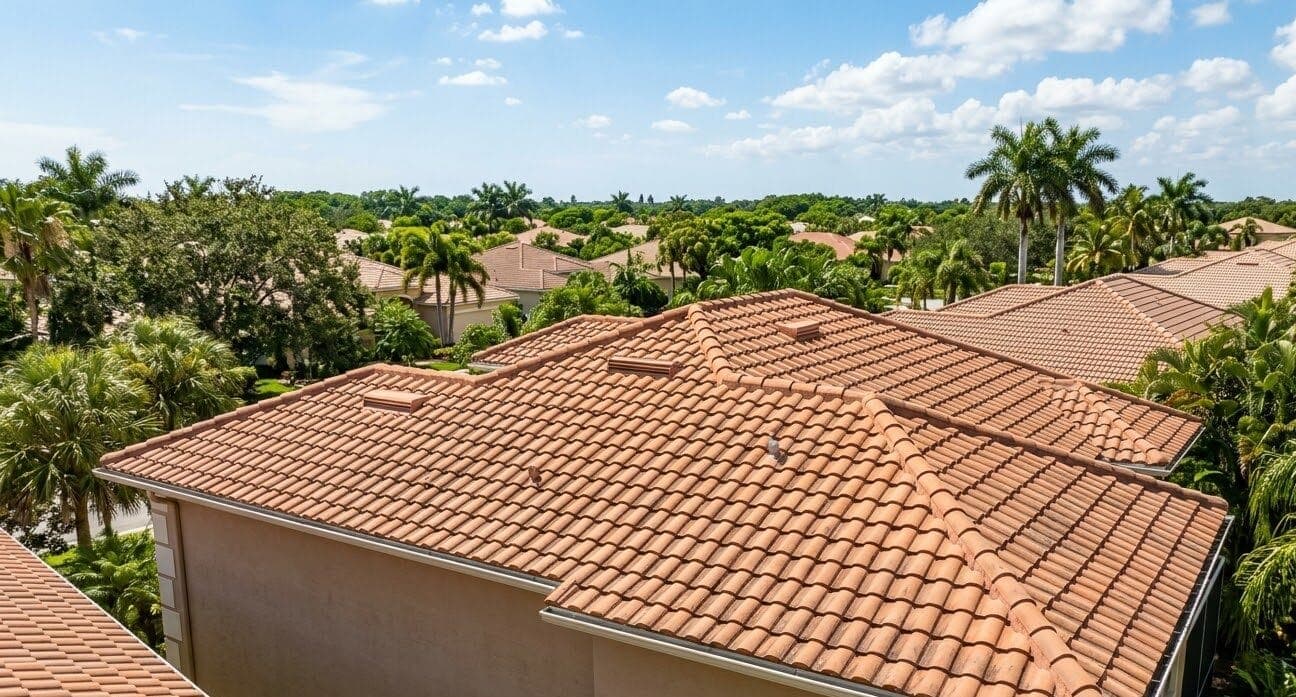
Tile roofs: every 2 to 3 years, with specific attention to underlayment condition. Tiles can look perfect while the underlayment beneath them deteriorates. By year 15, underlayment inspection becomes critical.

Protech Roofing offers inspection services throughout Spring Hill starting at $200. We give honest assessments. If your roof is solid, we tell you. If it needs attention, we explain exactly what and provide repair estimates.

FAQ

Frequently Asked Questions

How much does a roof inspection cost in Spring Hill, FL?

+
Professional roof inspections in Spring Hill start at $200 and include a full written report with annotated photos. The inspection covers the roof surface, all penetrations and flashing, gutters, and an attic check. 4-point inspections for insurance run $95 to $150, and a bundle with wind mitigation costs $150 to $200. The savings from catching issues early or qualifying for insurance discounts far exceed the inspection cost.

Do I need a 4-point inspection for my Spring Hill home?

+
If your Spring Hill home is over 15 to 25 years old (the threshold varies by carrier), most Florida insurance companies require a 4-point inspection to issue or renew your policy. The inspection covers roofing, electrical, plumbing, and HVAC. If the roof portion shows less than 3 to 5 years of remaining life, the carrier may require replacement before covering your home. Getting a roof inspection beforehand lets you fix issues proactively.

How much can a wind mitigation inspection save on insurance in Spring Hill?

+
Wind mitigation credits can reduce the wind portion of your Spring Hill insurance premium by 15 to 45 percent. On a typical premium of $3,000 to $3,500, that’s $450 to $1,575 per year in savings. The inspection costs $95 to $125 and is valid for 5 years. Homes built after 2002 and homes with recent re-roofs tend to score best. After any roof work, we coordinate reinspection to capture improved scores.

How often should I have my Spring Hill roof inspected?

+
For asphalt shingle roofs under 10 years: every 2 to 3 years plus after major storms. Age 10 to 20: annually. Over 20 years: twice per year (before and after hurricane season). Metal roofs need inspection every 3 to 5 years. Tile roofs should be checked every 2 to 3 years with focus on underlayment condition. All roof types should be inspected after any storm with winds over 50 mph or hail.

Should I get a roof inspection before buying a home in Spring Hill?

+
Yes. A dedicated roof inspection by a licensed roofer goes much deeper than the roofing section of a general home inspection. We assess remaining useful life, identify deficiencies with cost estimates, and check for issues that affect insurance eligibility. Many Spring Hill homes have roofs that are 15 to 20 years old, the age where carriers start requiring replacement. This information directly affects your negotiating position and purchase decision.

Ready When You Are

Get your free roof inspection today.

No-pressure, written estimate. Same-week scheduling across Hernando County. Call us now or request a visit online.