Call (352) 605-0696

Blog

How Long Does a Roof Last in Florida?

Call (352) 605-0696

Heat, humidity, UV radiation, and hurricanes shorten roof lifespans across Central Florida by 20 to 30 percent compared to the rest of the country. Here is exactly how long each material lasts in Hernando County and what you can do to get the most out of your roof. Call (352) 605-0696 for a free inspection.
Roof Lifespan by Material in Florida

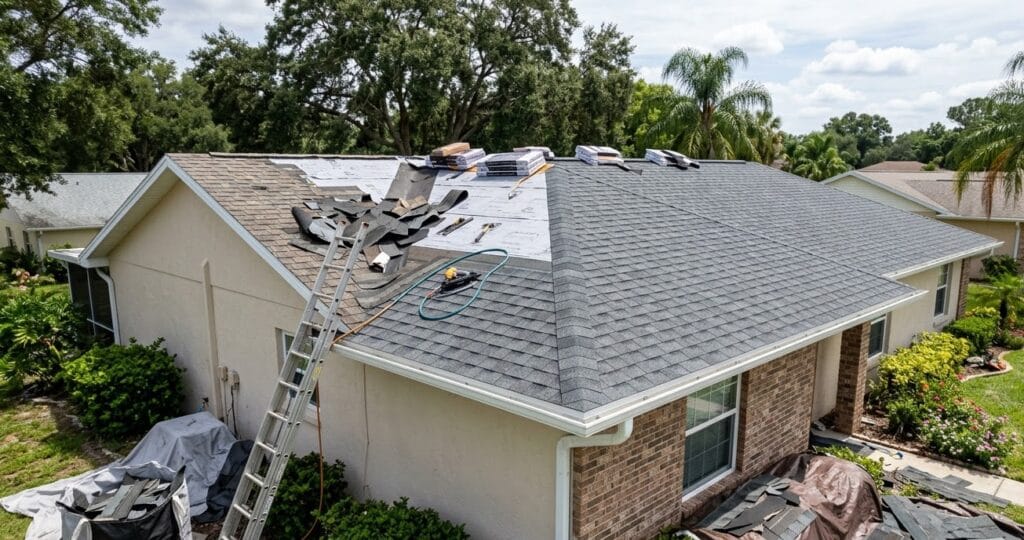
Every roofing material has a manufacturer-rated lifespan, but those numbers come from testing in controlled environments. Florida is not a controlled environment. Here is how long each material actually lasts in Hernando County and the Central Florida region based on what we see during inspections.

MaterialNational AverageFlorida RealityWhy the Difference
3-Tab Shingles15 – 20 years10 – 15 yearsUV breaks down asphalt faster, granules shed early
Architectural Shingles20 – 30 years15 – 20 yearsThicker but still vulnerable to thermal cycling
Metal (Standing Seam)40 – 60 years40 – 50 yearsOnly material that holds close to full lifespan in FL
Concrete Tile50+ years40 – 50 years (tiles), 15 – 20 (underlayment)Tiles outlast the waterproofing layer beneath them
Clay Tile75 – 100 years50 – 75 yearsExtremely durable but underlayment still fails at 15 – 20
Flat (TPO/Mod Bit)20 – 30 years15 – 25 yearsUV degrades membrane, seams soften in sustained heat

The single most important takeaway is that Florida roof lifespans run 20 to 30 percent shorter than national averages. A homeowner in Spring Hill planning around a “25-year shingle” is likely looking at 15 to 18 years of real performance before problems start.

Unnamed 5 1 — Protech Roofing Services in Central Florida

How Florida Heat and UV Break Down Your Roof

Central Florida receives some of the highest UV exposure in the continental United States. The Florida Solar Energy Center has measured UV levels running 30 to 60 percent above the national average across the Tampa Bay and Nature Coast regions.

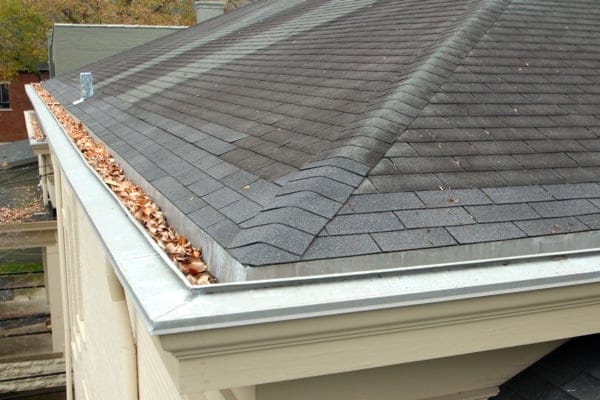
That UV radiation attacks roofing materials in specific ways. Asphalt shingles rely on ceramic-coated granules to reflect sunlight and protect the asphalt mat underneath. As those granules wear off, the mat is exposed directly to UV, which causes it to dry out, crack, and curl. You can see this process in action by checking your gutters. If they are filling up with sandy granule material, your shingles are losing their primary defense layer.

Roof surface temperatures in Hernando County regularly reach 150 to 170 degrees Fahrenheit during summer afternoons. At night, those surfaces cool by 80 degrees or more. This daily thermal cycling causes expansion and contraction that loosens fasteners, opens seams, and fatigues flashing joints. Over thousands of cycles across 15 to 20 years, the cumulative effect is a roof that has mechanically worn itself apart from the inside.

Metal roofing resists this cycle better than any other material because metal expands and returns to shape without degrading. This is the primary reason metal roofs in Florida hold close to their national lifespan while asphalt shingles lose 5 to 10 years.

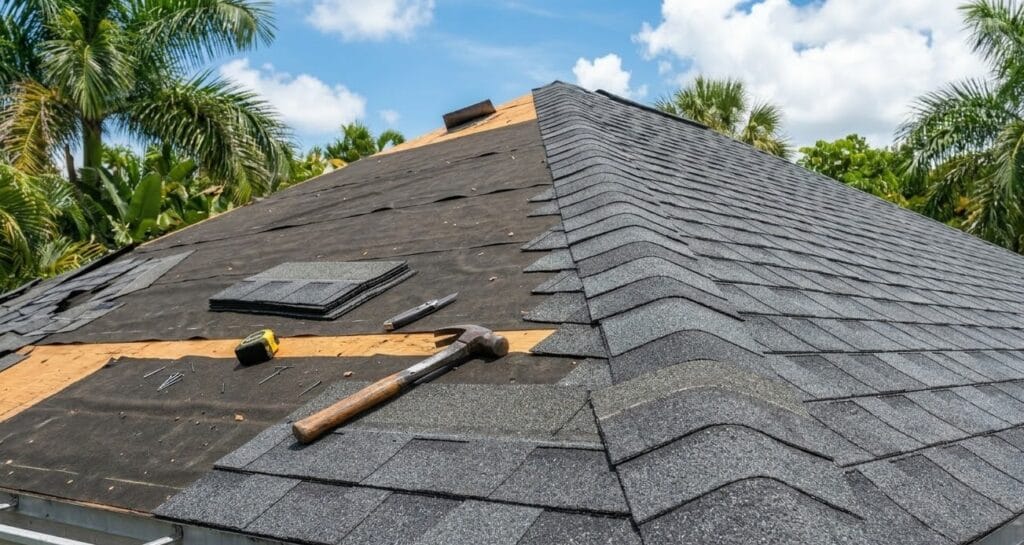
roof repair in spring hill fl

Rain, Humidity, and the Hidden Enemy: Underlayment Failure

Hernando County averages roughly 54 inches of rain per year, with the heaviest concentration between June and September. That volume of water is not the primary threat to your roof covering. It is what moisture does underneath the shingles and tiles that causes the real damage.

Florida’s average humidity of 70 to 80 percent means the roof deck and underlayment are constantly exposed to moisture, even on days when it does not rain. Over time, that persistent moisture degrades the felt or synthetic underlayment that serves as the last waterproof barrier between your roof covering and the plywood deck.

Tile roofs illustrate this problem clearly. Concrete and clay tiles can last 40 to 75 years, but the underlayment beneath them fails at 15 to 20 years in Florida conditions. When that happens, water passes through the tiles (which are not individually sealed), through the failed underlayment, and into the deck. The tiles look perfect from the street while the roof structure underneath is rotting.

Algae and mold growth is the visible symptom of this moisture problem. Those dark streaks running down shingle roofs across Spring Hill and Brooksville are Gloeocapsa magma, a cyanobacterium that feeds on the limestone filler in asphalt shingles. The organism itself does not destroy the shingle, but its presence indicates that moisture conditions are actively degrading the materials beneath it.

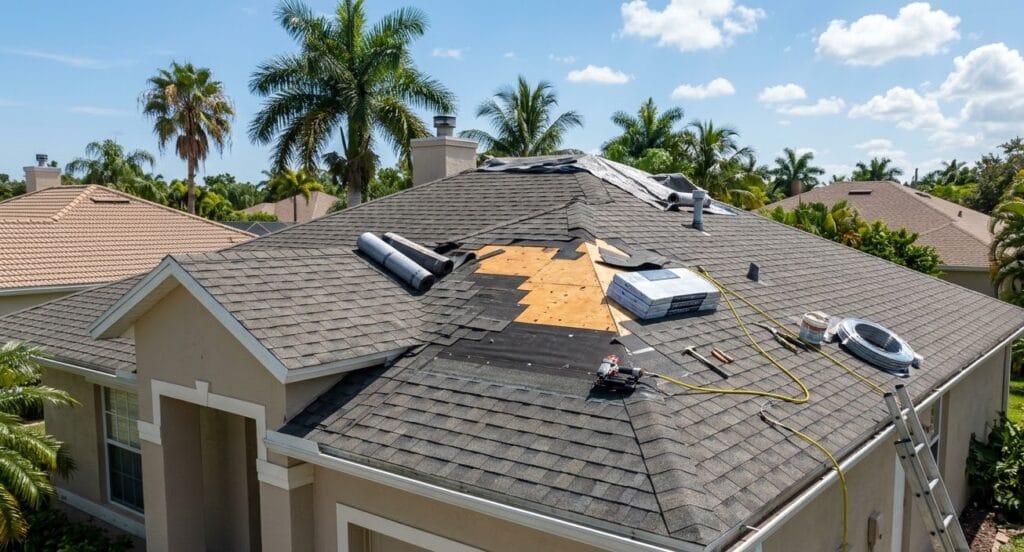
roof replacement in aripeka fl

Hurricanes and Storm Damage: The Lifespan Accelerator

A single hurricane or strong tropical storm can take years off your roof’s remaining life even without visible damage. Wind loads stress fastener connections, lift shingle tabs that were sealed by the sun, and flex the deck enough to break the bond between shingles and underlayment.

Hernando County sits in a 120 mph wind zone under the Florida Building Code. Every roof installed here must be engineered to withstand sustained winds at that speed. Older roofs built before the 2002 code update may not meet that standard, which means they take proportionally more damage from the same storm.

The compounding effect is what catches homeowners off guard. A Category 1 hurricane crosses the county in Year 8 of a shingle roof’s life. No visible damage, no missing shingles, no leaks. But the wind uplift loosened the adhesive seal on dozens of shingles and stressed the flashing at every penetration. Two years later, normal afternoon thunderstorms start causing leaks in areas that never leaked before. The hurricane did not destroy the roof, but it accelerated its aging by three to five years.

This is why we recommend a professional roof inspection after every named storm, even if you do not see visible damage. Catching wind-loosened shingles and stressed flashing early costs hundreds to repair. Waiting until those weak points turn into active leaks costs thousands.

New Roof Repair in Florida

Signs Your Roof Is Reaching End of Life

Some warning signs are visible from the ground. Others require a professional inspection to identify. Here is what to watch for.

Exterior Warning Signs

  • Granule loss: Sandy material accumulating in gutters and downspouts. Bare asphalt patches visible on shingles.
  • Curling or cupping: Shingle edges turning upward or tabs lifting. This exposes the underlayment to direct weather.
  • Missing shingles or tiles: Not just storm damage. If shingles are falling off during normal conditions, the adhesive has failed.
  • Algae streaks: Dark staining across the roof surface. Indicates sustained moisture conditions.
  • Sagging sections: Visible dips or waviness in the roofline. This signals deck deterioration underneath.

Interior Warning Signs

  • Water stains on ceilings: Brown or yellow discoloration, especially after rain. Multiple stains in different rooms indicate widespread failure.
  • Daylight in the attic: If you can see light through the roof boards, water can get in through those same gaps.
  • Musty smell in upper rooms: Persistent moisture odor suggests hidden mold growth from ongoing leaks.
  • Rising energy bills: A deteriorating roof loses insulating properties. If your AC runs longer every summer, the roof may be part of the problem.

If you notice three or more of these signs, the roof is telling you that repairs will not solve the underlying problem. A full roof replacement addresses the root cause rather than patching symptoms.

box gutter fail

How to Extend Your Roof’s Life in Hernando County

Even in Florida’s harsh climate, proper maintenance and proactive care can add years to any roof system.

Annual Professional Inspections

A trained inspector catches problems that are invisible from the ground. Pipe boot cracks, lifted flashing, nail pops, and early granule loss are all repairable when found early. We recommend scheduling inspections before hurricane season in May and after the season ends in November.

Keep the Roof Clean

Debris, leaves, and branches that sit on the roof trap moisture against the surface. In Florida’s humidity, that moisture accelerates every form of deterioration. Clearing debris twice a year, especially from valleys and around penetrations, prevents moisture buildup where it does the most damage.

Maintain Attic Ventilation

Proper attic ventilation reduces heat buildup that cooks shingles from underneath and prevents moisture condensation on the underside of the deck. Ridge vents, soffit vents, and attic fans all contribute to a balanced ventilation system. Many older homes in Spring Hill and Brooksville have inadequate ventilation that was acceptable when built but does not meet current standards.

Address Repairs Immediately

A $300 repair today prevents a $3,000 repair next year. Every leak that goes unaddressed for weeks or months causes exponentially more damage to the deck, insulation, and interior finishes. Protech offers emergency roof repair for urgent situations and maintenance programs for proactive care.

Consider Material Upgrades

When replacement time comes, choosing a longer-lasting material pays dividends. Upgrading from 3-tab shingles (10-15 year Florida lifespan) to architectural shingles (15-20 years) costs 30 to 40 percent more but lasts 50 percent longer. Upgrading to metal roofing (40-50 years) eliminates the replacement cycle entirely for most homeowners. The My Safe Florida Home program can reimburse up to $10,000 of that upgrade cost.

FAQ

Frequently Asked Questions

How long do shingles last in Florida?

+
Standard 3-tab shingles last 10 to 15 years in Florida. Architectural shingles last 15 to 20 years. Both lifespans are 5 to 10 years shorter than the national average due to Florida’s intense UV, heat, and humidity. The Florida Solar Energy Center has measured UV levels 30 to 60 percent above the national average in our region.

Does a metal roof really last 50 years in Florida?

+
Metal is the only roofing material that holds close to its full rated lifespan in Florida conditions. Standing seam metal roofs typically last 40 to 50 years here compared to 40 to 60 years nationally. Metal resists UV, does not absorb moisture, and handles thermal cycling without degrading. It is the most cost-effective long-term option for Florida homeowners.

Why does my tile roof leak when the tiles look fine?

+
Tile roofs have a hidden weakness: the underlayment beneath the tiles fails at 15 to 20 years in Florida, even though the tiles themselves can last 50 or more years. When the underlayment degrades, water passes between the tiles, through the failed barrier, and into the roof deck. The fix is a tile-off, underlayment replacement, and tile-back installation.

How often should I have my roof inspected in Florida?

+
At minimum, once per year. We recommend twice per year in Hernando County: before hurricane season in May and after it ends in November. You should also schedule an inspection after any named storm passes within 50 miles of your home, even if you do not see visible damage.

Can maintenance really extend my roof's life?

+
Yes. Regular inspections and prompt repairs can add 3 to 5 years to a shingle roof and 5 to 10 years to tile and metal systems. Keeping the roof clear of debris, maintaining attic ventilation, and fixing small problems before they grow are the three highest-impact maintenance actions.

When should I replace my roof instead of repairing it?

+
Replace when the roof is past its expected Florida lifespan, damage covers more than 25 percent of the surface, repair costs exceed 50 percent of replacement cost, or you see signs of widespread underlayment or deck failure. Florida Building Code also requires a full code upgrade if more than 25 percent of the roof is repaired in a 12-month period.

Ready When You Are

Get your free roof inspection today.

No-pressure, written estimate. Same-week scheduling across Hernando County. Call us now or request a visit online.